A good-looking barn and a good barn are not always the same thing. Here is what I look at when I walk one with a buyer.
Air and light
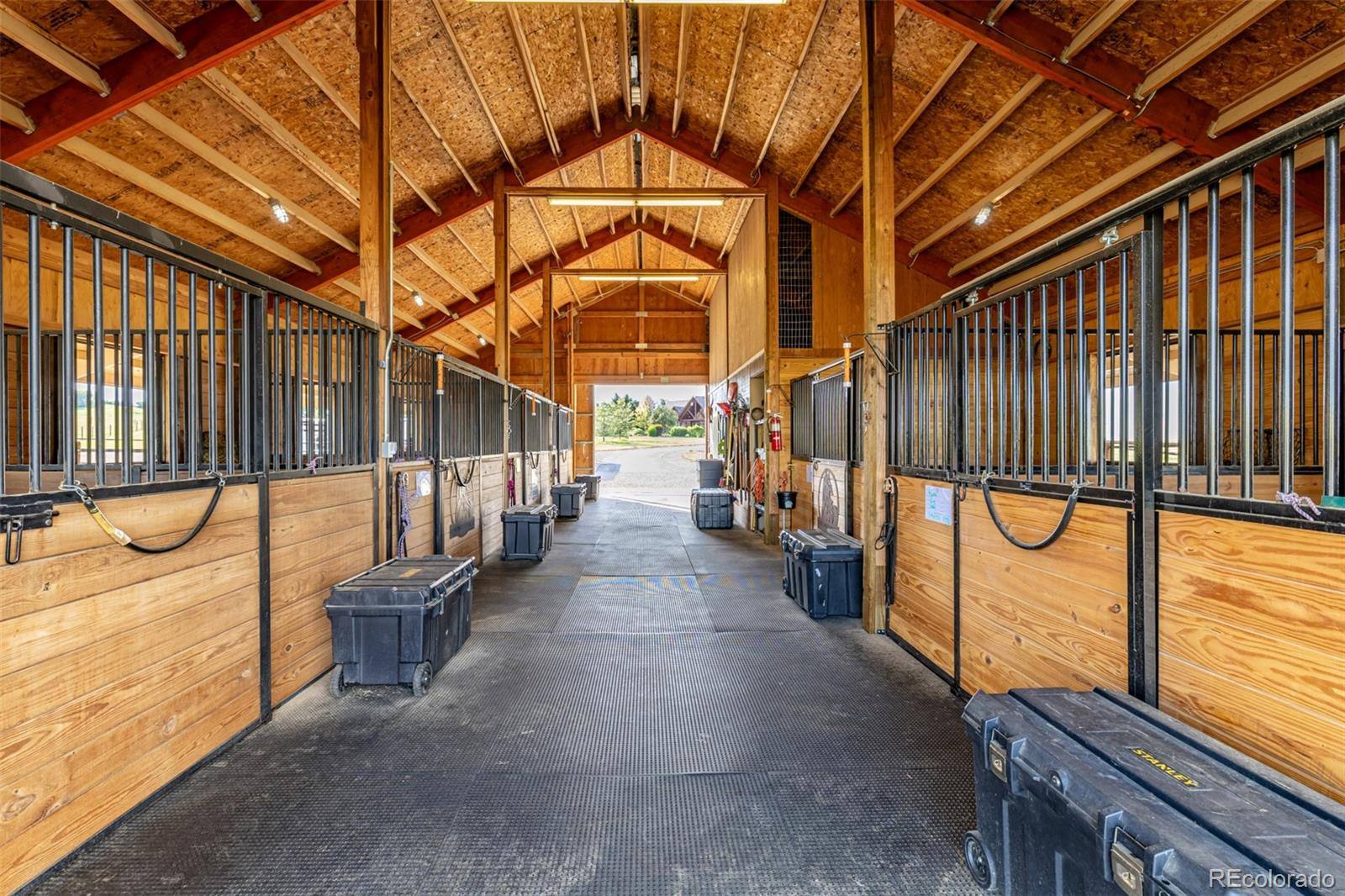
Stand in the middle of the aisle with the doors closed. Does it smell of ammonia? Is it dim? Good barns move air: ridge vents, eave vents, windows in every stall, doors at both ends. Ventilation affects a horse’s respiratory health more than almost anything else in the building.
Aisles and stalls
- Aisle width. Wide enough to lead a horse past another one safely, and to turn a tractor or cart if you use one.
- Stall size. Twelve by twelve feet is a common standard for an average-size horse. Larger horses need more.
- Doors. Sliding doors that run smoothly, with latches a horse cannot work open. Stalls with a door straight out to a run or paddock make daily life much easier.
- Footing. Look at the stall floors and mats. Check that the aisle drains and is not slick when wet.
Water and power
Frost-free hydrants and heated waterers matter in a Colorado winter. Look at the electrical: barns are dusty, and dust and exposed wiring are a fire risk. Wiring in conduit and covered light fixtures are good signs.
Hay and fire
Hay stored in the same building as the horses adds to the fire risk. A separate hay barn or storage area is worth noting. Check where the bedding is kept, too, and how far the manure pile sits from the barn and the well.
Outside the barn
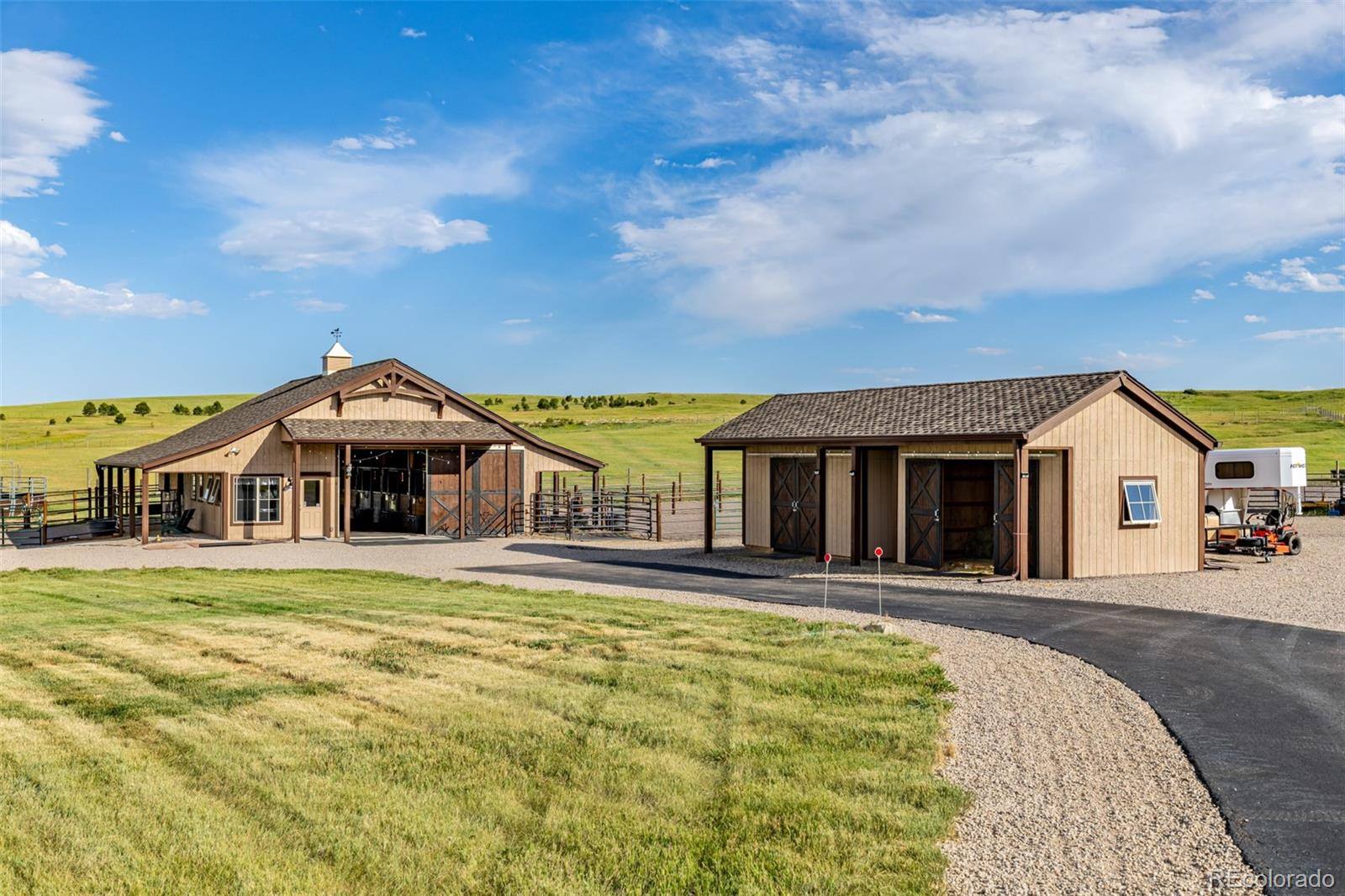
- Shelter from the wind. A run-in shed only helps if horses can get out of the weather in it. Find out which direction the winter wind usually comes from on that property, and check that the open side of each shed faces away from it.
- Drainage around shelters and turnout. Mud forms where horses stand most: around run-in sheds, gates and waterers, and in the runs off the stalls. Look at where the water goes in those spots. Ground that slopes away, with gravel, cinder or squeegee footing in the high-traffic areas, is easier on hooves and on you. If you can, visit after a rain or spring snowmelt.
- Arena. Size, footing and drainage.
- Fencing. Type and condition.
- Trailer access. Whether a truck and trailer can turn around near the barn without backing up the drive.
None of this is a reason to pass on a property on its own. It is a list of what you will be living with, and what it might cost to change. If you would like help walking a barn, let me know.