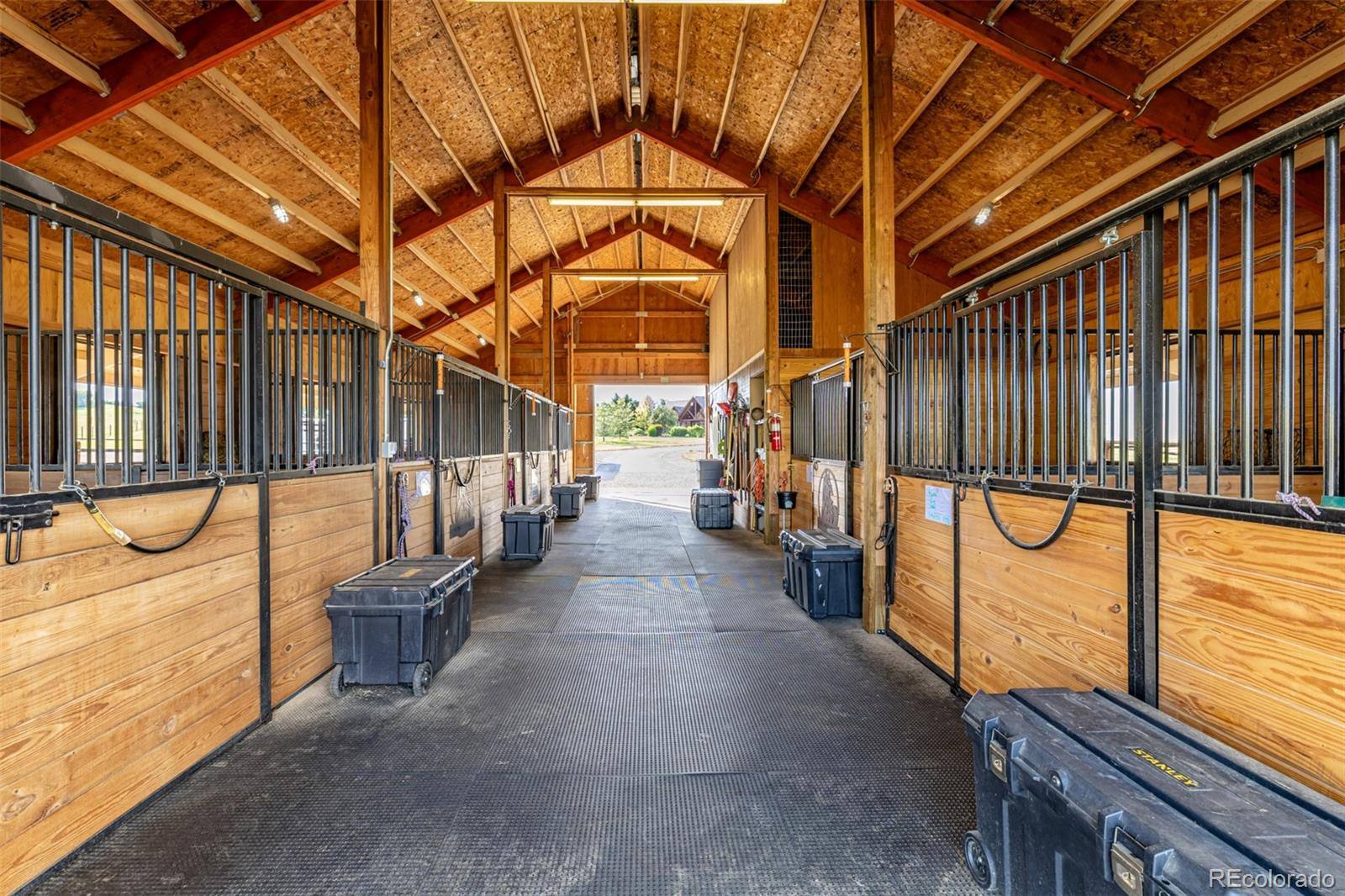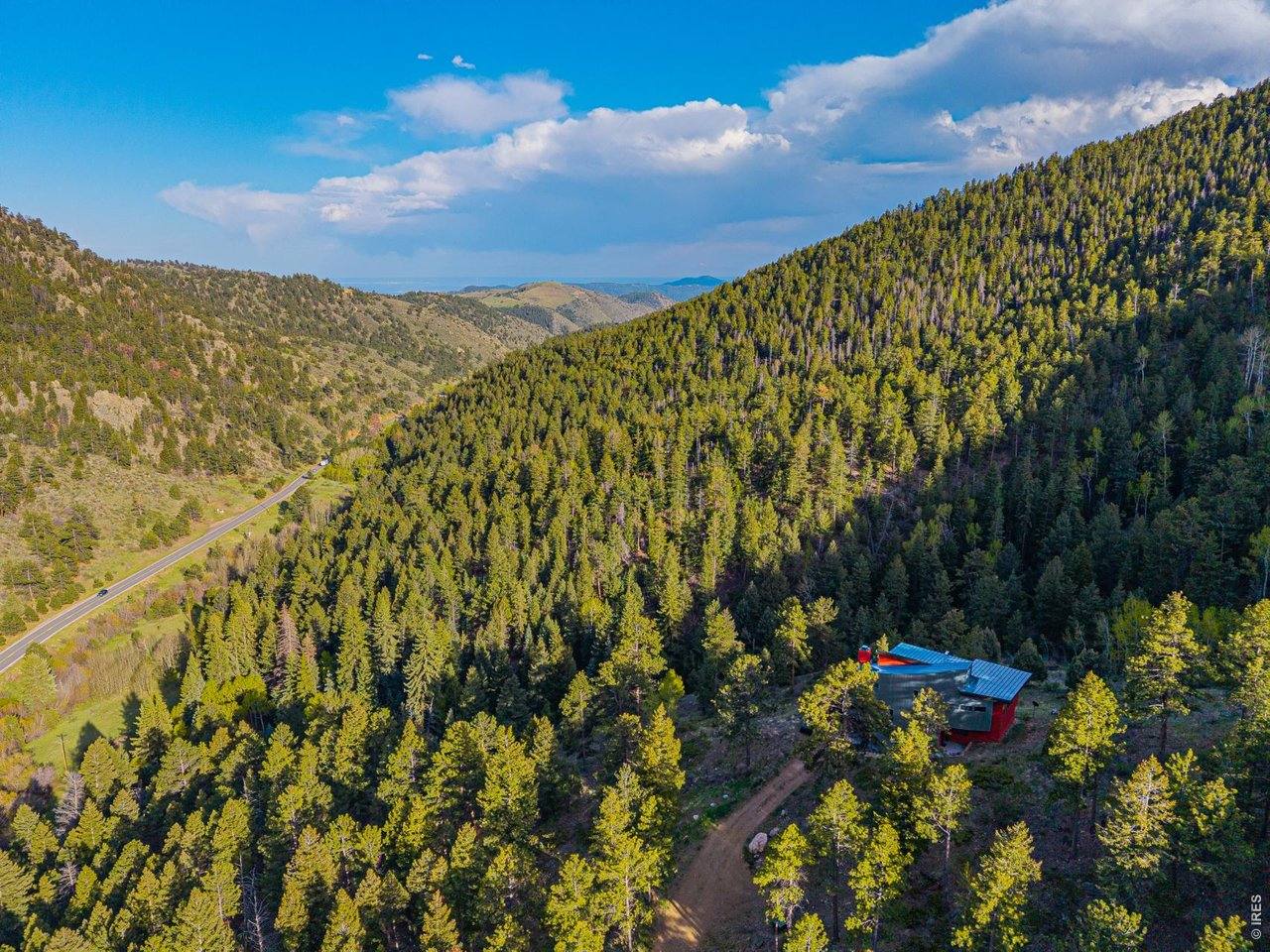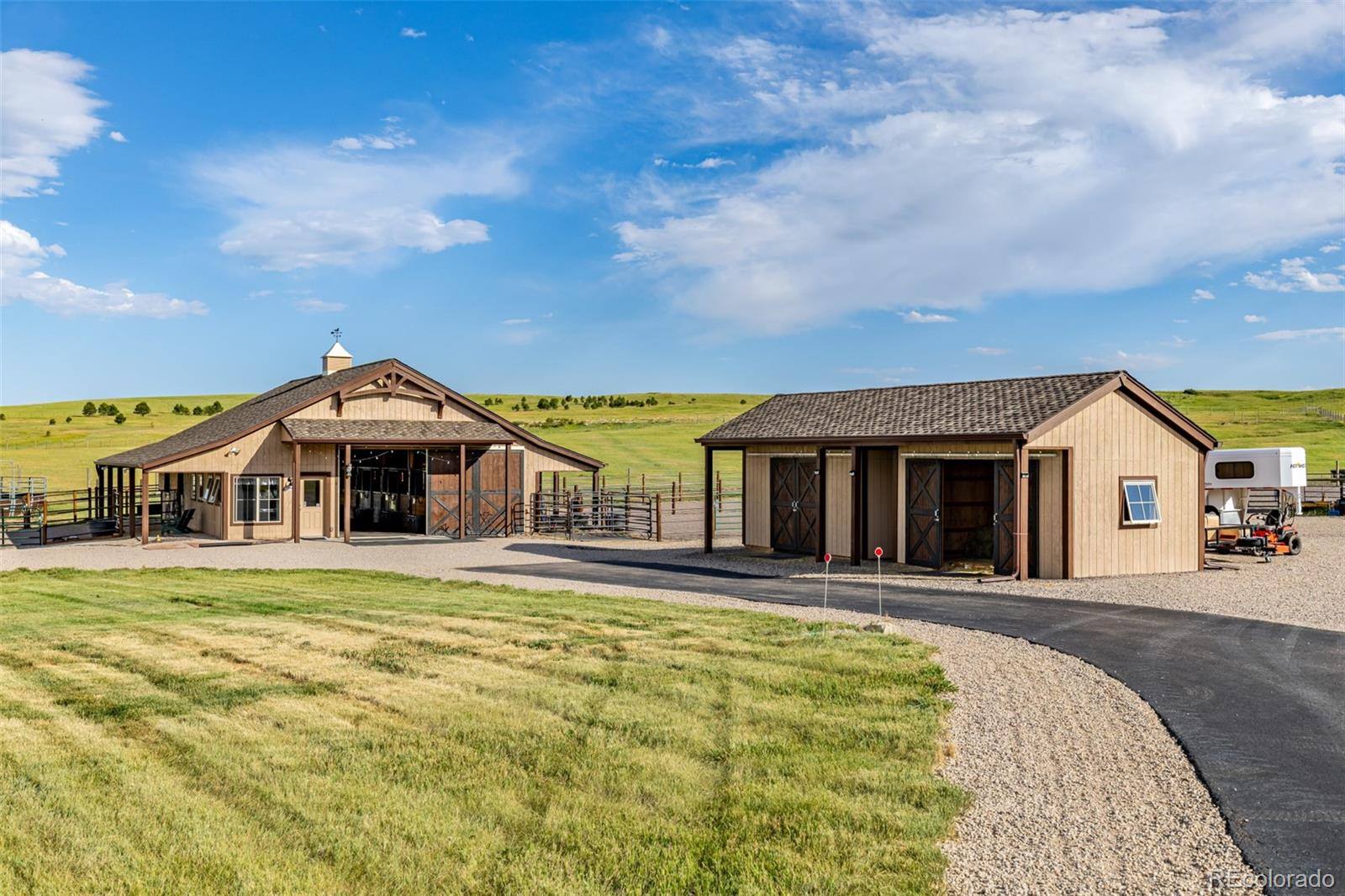
On a horse property, the barn gets the attention. The water deserves it first.
In Colorado, a well is not simply a hole in the ground with water at the bottom. Every well is tied to a permit from the Colorado Division of Water Resources, and that permit spells out what the water may legally be used for. Two wells on neighboring parcels can look identical and carry very different rights.
Household use is not livestock use
Many wells on smaller parcels are permitted for household use only. That typically means water inside the house and nothing more: no watering livestock, no irrigating pasture, sometimes not even a garden hose for the lawn.
Wells on parcels of 35 acres or more are more often permitted for domestic use, which can include watering domestic animals and livestock and limited irrigation. There are also livestock-specific permits. The point is the same in every case: read the permit, not the listing.
Can I keep horses if the well is household use only?
Here is a situation buyers run into: the zoning allows horses, there is a barn on the property, and the well permit says household use only.
Yes, you can still have horses, but you cannot use the well to water them. A household-use-only permit limits the water to inside the house. That means no hose to the stock tank, and no carrying buckets from the kitchen sink to the barn either. On many of these properties you will not even find a water spigot on the outside of the house.
The horses need a different water source. Most often that is water delivered by a hauler and stored in a cistern near the barn. Before you buy, think through:
- How much water you will need. An adult horse drinks roughly 10 gallons a day, and more in hot weather. Multiply by the number of horses and the days between deliveries to size the cistern.
- What delivery costs. Get a quote from a local water hauler, and ask how they handle snowy or muddy roads.
- Winter. Cisterns, lines and tanks need protection from freezing. Ask the current owner how they handle it.
- Other options. Some properties can connect to a rural water district, and in some cases a well can be re-permitted for broader use, depending on the parcel’s size and location. Neither is guaranteed. Confirm with the Colorado Division of Water Resources, or a water attorney, before counting on either one.
Zoning and a barn tell you horses are allowed. The well permit tells you how you will water them. Read both before you write the offer.
Questions to ask on every property
- What does the well permit allow? Ask for the permit number and pull the record yourself. It is public.
- How much water does the well produce? A well yield test measures gallons per minute. Horses drink a lot, and summer is when you will notice a weak well.
- What is the water quality? A water test is inexpensive and worth doing on every rural purchase.
- Who is inspecting the well? A home inspector is not a well inspector. Hire a well inspector to check the whole system, including the pump, pressure tank, wiring and wellhead, not just the yield and water quality.
- Are there surface water rights or ditch shares? In Colorado these are separate property from the land. If a seller mentions irrigation water, find out exactly what is being conveyed and how.
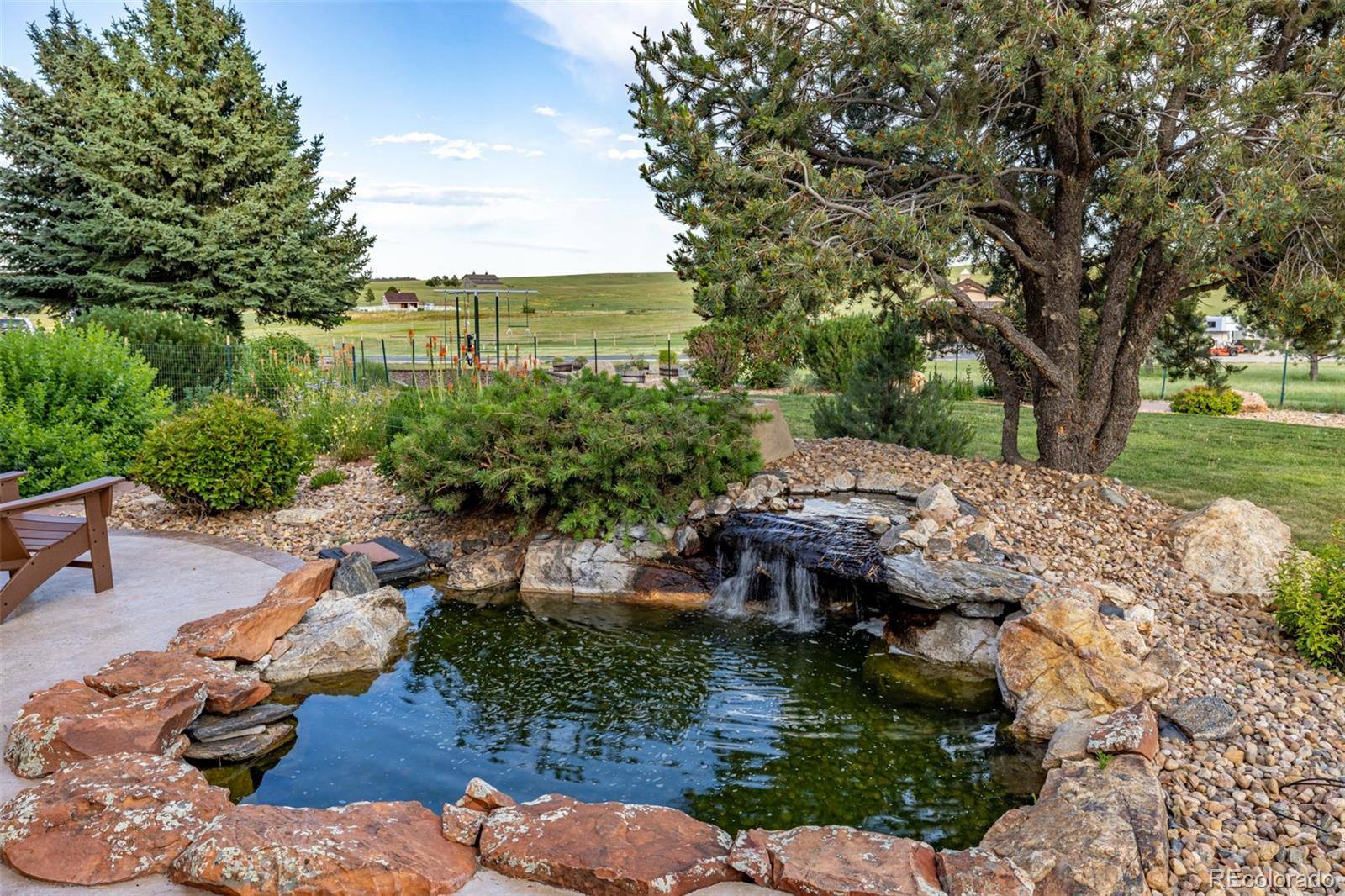
- Is there a pond, and is it legal? Ponds that hold water can raise their own questions. Ask how it is filled and whether it is permitted.
Why it matters before you write the offer
Colorado’s standard purchase contract has a section for water and well rights. Filling it out accurately means knowing what you are buying. Finding out after you are under contract that the well cannot water horses changes the whole plan for the property.
Pull the permit before anyone falls in love with the barn.
If you are looking at horse property and want a second set of eyes on the water, get in touch. It is the first thing I look at.