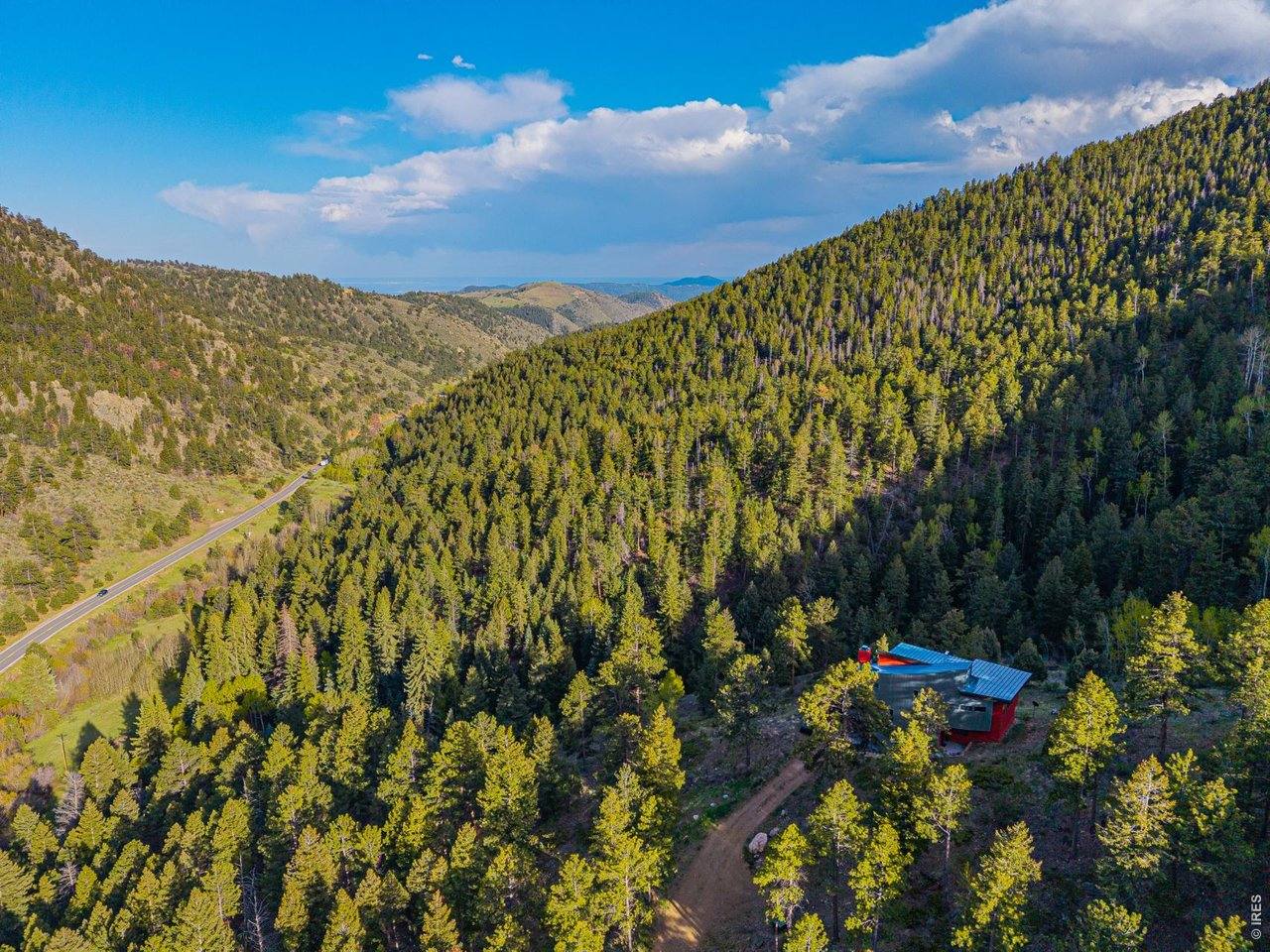
A foothills home in October and the same home in February can feel like two different places. Here is what to check before you buy.
Who plows the road?
Find out whether the road to the property is maintained by the county, by a road association, or by no one. If there is an association, ask about dues and how snow removal works. Then look at your own driveway: its length, its grade, which way it faces. A north-facing drive can hold ice for weeks.
Wildfire
Ask whether the property has had wildfire mitigation work, and look at the defensible space around the house.
Wildfire risk also affects insurance, and some mountain properties are much harder to insure than others. Fewer companies may be willing to write a policy, premiums can be high, and some insurers require mitigation work before they will cover the home. Before you write a contract, talk to an insurance agent and get a quote on that specific address. Ask the sellers who insures the home now and what they pay. Your lender will require insurance before closing, so this is not something you want to discover in the last week.
Colorado’s standard contract also has a deadline for property insurance. Make sure it gives you enough time to get a firm answer.
Systems that city homes don’t have
- Septic. Ask for the records. Most Colorado counties require a septic inspection when a property sells, and it is typically the seller’s responsibility. Do not assume it has been done: confirm the inspection is complete, and make sure the contract spells out who is responsible for the inspection and who pays for it, including any repairs it turns up.
- Well. Check the permit, and have a well inspector look at the well, not just your home inspector. A well inspection covers the whole system, including the pump, pressure tank, wiring and wellhead, along with the yield and the water quality.
- Heat and power. Propane or electric? How old is the furnace? Is there a generator, or a place to connect one?
- Radon. Colorado has high radon levels in many areas, and testing is inexpensive.
Internet and cell service
Do not assume. Ask the sellers what they use and check coverage at the house itself, not at the bottom of the hill. Satellite and fixed-wireless options have improved a great deal, but speeds vary.
Distance to everyday life
Time the drive to the grocery store, the hospital and work, ideally in bad weather. Ask how far the nearest fire station is. These are the details that decide whether a mountain home works for you year-round.
Thinking about the foothills? Reach out and we can talk through the areas that fit how you live.